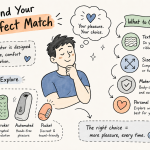
If you’re curious about a bondage sex toy but unsure where to start, you’re in good company. There’s often a gap between “I’m interested” and “I know how to shop safely,” and that gap can stall even the most enthusiastic explorer. Think of this guide as your velvet-rope tour of the category, only here, touching is encouraged.
This guide closes that gap. Whether you’re brand-new to restraints and fetish accessories or you’ve tried an entry-level kit and want to know what comes next, you’ll find clear, judgment-free answers here. We’ll cover the main types of bondage gear, how to choose materials that are safe and comfortable, the safety practices that make kink play actually enjoyable, and which starter kits are worth your money. At Stan Institute, you’ll also find beginner-friendly filters and plain-language product descriptions to help you compare options at a glance.
What bondage sex toys actually are (and the main types)
The term “bondage toys” covers a wide range of restraint gear, sensory tools, and fetish accessories, and that range can feel overwhelming at first glance. The good news: the category breaks down into a few clear types, and most newcomers start with just one or two.
Restraints, wrist cuffs, and ankle cuffs: your first bondage sex toys
Cuffs are the most common entry point into BDSM gear, and for good reason. They’re intuitive, adjustable, and available in a range of styles to match different experience levels. Intro options typically feature padded interiors and Velcro or other quick‑release closures that either partner can undo fast. Locking leather cuffs can come later, once you’ve used softer options enough to know you want more structure. At the starter stage, easy release matters more than intensity.
Blindfolds and sensory play tools
Removing sight is one of the simplest ways to intensify sensation during intimate play. When your partner can’t see what’s coming next, every touch lands differently. Blindfolds are also one of the least intimidating starter items, which is why they appear in most beginner bondage kits. Feather ticklers and soft floggers commonly accompany blindfolds in bundled sets, adding light sensation play that’s easy to use safely for first-timers. Browse blindfolds and sensory tools to compare fits and materials.
Bondage kits and restraint systems
For first‑time buyers, a bundled kit is often the smarter buy than piecing items together. You get matched components, clear setup instructions, and a low‑commitment price point before you build a full wardrobe of gear. A basic starter kit typically includes wrist cuffs, a blindfold, and a connector or tether. Bed restraint systems, nylon straps that run under your mattress and attach to adjustable cuffs at each corner, are a natural next step for couples who want positional play at home without permanent installation. See our bondage kits and under‑mattress restraints for options.
Light SM accessories
Once someone is comfortable with restraints, they often add accessories like adjustable nipple clamps, collars, or soft paddles. These aren’t mandatory at the beginning; they’re simply the next layer of sensation many people get curious about once the basics feel familiar.
Materials guide: what your bondage sex toys are made of matters
The material your restraints and kinky toys are made from affects comfort, hygiene, durability, and safety. Skipping this step is how a bargain pair of cuffs ends up irritating skin or falling apart after two uses.
Leather and faux leather
Leather is a classic for cuffs and restraints because it’s flexible, durable, and comfortable against skin. The trade‑off: it’s porous, so it absorbs sweat and fluids over time and needs regular cleaning and conditioning to stay hygienic. Faux leather is a vegan, budget‑friendly alternative and works well for introductory gear. At accessible price points, construction quality matters more than the label, look for reinforced stitching and sturdy hardware either way.
Silicone and metal
Silicone is non‑porous, easy to sanitize, and fully body‑safe, making it an excellent choice for items that need frequent cleaning. Metal (stainless steel or aluminum alloy) delivers a heavier, more rigid feel and can be fully sterilized. The caveat: metal has no give. For new users, metal restraints are unforgiving if the fit is even slightly off, so precise sizing and high‑quality hardware are essential.
Rope and fabric ties
Purpose‑made bondage rope in cotton, hemp, or soft nylon is versatile and beginner‑friendly when used correctly. The key distinction: hardware‑store rope is not bondage rope. It can cut into skin under tension and isn’t designed for body contact. Fabric ties and silk scarves can work for very light, introductory restraint, but they don’t offer the adjustability or structure of dedicated gear.
For a practical, side-by-side comparison of common toy materials and their care, consult this materials guide to help you choose gear that will last and remain hygienic.
Safety and consent: the foundation of every bondage experience
Safety in bondage play isn’t a footnote, it’s the reason the experience is good. The clearer both people are about boundaries, signals, and physical warning signs, the more confidently and fully they can enjoy themselves.
Safewords, signals, and ongoing consent
Agree on a safeword before the scene starts. A safeword is a word or phrase that either person can use at any point to immediately pause or stop the scene, no questions asked. For situations where speech is limited, establish a non‑verbal signal in advance, such as dropping an object held in the hand. Consent is ongoing throughout the scene, not just something you agree to at the beginning. Either person can stop at any time for any reason, that’s the system working correctly.
Watching for physical warning signs
Any restraint scene involving cuffs or ties requires regular circulation checks. Numbness, tingling, skin that looks blue or dark red, and restricted breathing are all immediate stop signals. A common fit guideline is to leave about one finger of space under any cuff or restraint and to check for normal color, warmth, and sensation at intervals. Do not leave a restrained person unattended; keep communication open and gear removable at a moment’s notice.
Tools to have within reach
Keep a few practical safety items within arm’s reach: safety scissors or shears capable of cutting rope or fabric quickly, a phone, and a clear plan for removing every piece of gear in an emergency. This isn’t paranoia, it’s standard preparation, the same way you’d note the exits at a venue. Having these things ready means you won’t need to panic if something unexpected happens. For additional practical safety recommendations and step-by-step tips, see this guide to essential bondage safety tips.
What to look for in a beginner bondage kit (and where Stan Institute delivers)
Once you understand the types and the safety basics, you’re ready to shop. The criteria for a good starter kit are straightforward, and the most important one is that it should never make the first experience feel like a test.
The five things every starter kit needs
A solid starter bondage sex toy kit includes soft or padded cuffs with quick‑release closures, a comfortable blindfold that stays put during movement, at least one light sensation accessory, an easy setup that doesn’t require learning knots, and a price point that keeps the first scene low‑stakes. Quick‑release designs are especially friendly to newcomers because either person can remove them fast without fumbling for a key or combination.
- Padded wrist and/or ankle cuffs with quick‑release design
- A comfortable, light‑blocking blindfold
- A sensory tool such as a feather tickler or soft flogger
- An optional connector strap or tether for added position control
Quick picks to make it easy:
- Intro trio: padded Velcro cuffs + blindfold + feather tickler
- Stay‑put setup: under‑mattress restraint kit with adjustable straps and detachable cuffs
Stan Institute’s beginner‑friendly bondage kits
At Stan Institute, the curated selection includes padded handcuffs, restraint bundles, bed systems, and nipple clamp sets, with clear descriptions that specify materials and key features. You can browse by type and use filters to surface gear suited to first‑time buyers or those stepping up gradually. If you’re building a kit over time, the wish list and product comparison tools can help you keep track of what you’ve tried and what you want next.
What to skip as a first‑time buyer
A few items can lead to rough first experiences: rigid metal cuffs without padding, tight gags, rope without prior education or a spotter, and anything labeled “advanced” or “suspension‑capable.” These aren’t forever off‑limits; they’re simply not the right starting point. Begin with comfort and easy release, then add intensity once you know what you actually like.
Stepping up: intermediate gear and what changes as you get more confident
The first few times you use bondage gear are mostly about getting comfortable with the dynamic, the communication, and the physical sensation of restraint. Once those pieces feel natural, the question shifts to what comes next.
When you’re ready for more intensity with bondage toys
The signals are fairly clear: you’ve used your starter gear comfortably several times, you and your partner have a solid communication rhythm, and you feel genuinely curious about more restriction or stronger sensation. Escalating before you’re ready is far less satisfying than taking the time to enjoy each stage.
Bed restraint systems and under‑mattress straps
Under‑mattress bed restraint systems are a popular upgrade for couples who want positional play at home. The setup is simple: nylon straps run between your mattress and bed base and connect to adjustable cuffs at each corner, creating a four‑point restraint with no permanent installation required. Systems with adjustable strap lengths work across different bed sizes and configurations. Compared to standalone cuff kits, under‑mattress systems are quick to set up and easy to store discreetly.
Nipple clamps, SM accessories, and light impact tools
Adjustable nipple clamps are a natural next addition for many people because you can start light and dial up based on feedback rather than guessing. Fixed‑tension clamps deliver one set level of pinch with no flexibility, which makes them better for folks who already know the pressure they enjoy. Adjustability is the key feature to look for at the intermediate stage, whether you’re choosing clamps, paddles, or any other sensation tool. Light impact items like soft paddles follow the same principle: begin lighter than you think you need to, and adjust from there.
Where to buy bondage sex toys discreetly (and what to look for in a retailer)
Choosing the right retailer matters as much as choosing the right gear. A store that’s clear about materials and privacy helps you shop confidently.
The four things a trustworthy bondage retailer gets right
Look for clear product descriptions that specify materials and fit notes, genuine beginner‑appropriate gear (not just “advanced” items relabeled), and privacy‑conscious packaging and billing. Many shoppers prefer plain outer packaging and discreet billing descriptors, review the retailer’s stated policies so there are no surprises at checkout. For ideas on what discreet packaging looks like in practice, read this piece on discreet shipping and packaging.
Why Stan Institute is the right starting point
Shopping with Stan Institute means you can sort by type, filter for experience level, and compare products side by side, with straightforward descriptions to guide your choices. If privacy is a priority, check our current shipping and billing policies before you order. Our goal is to make exploring bondage sex toys feel intuitive, informed, and approachable at every step.
Build your kit with confidence
Bondage gear spans a wide and genuinely enjoyable range, from soft cuffs and blindfolds to structured restraint systems and light SM accessories. The right entry point is the same for everyone: start with comfort, build communication, and choose a well‑made kit that keeps the first scene low‑pressure.
Material choices and safety practices aren’t optional; they’re what turn curiosity into a great experience. Understand what your gear is made of, how it should fit (about one finger under a cuff), and how to respond if something feels off. Ready to explore? Browse Stan Institute’s bondage kits to find the bondage sex toy setup that matches exactly where you are right now. For additional curated options and kit breakdowns, this bondage kit guide offers useful comparisons and starter recommendations.